



Key Advantages
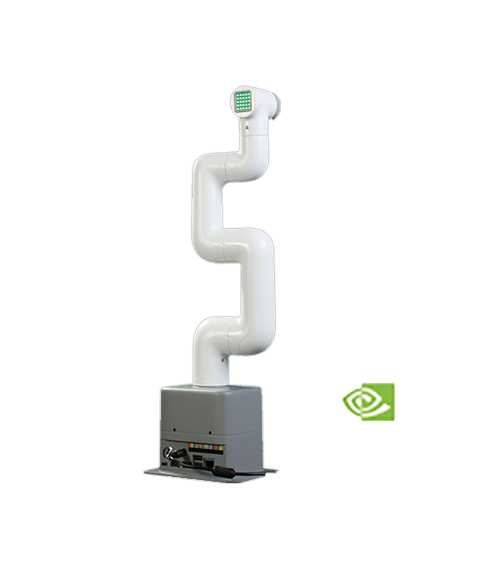
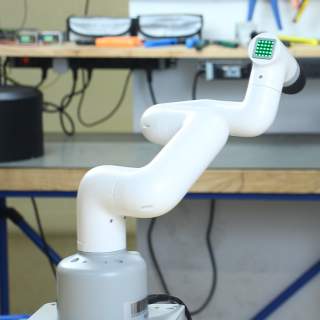
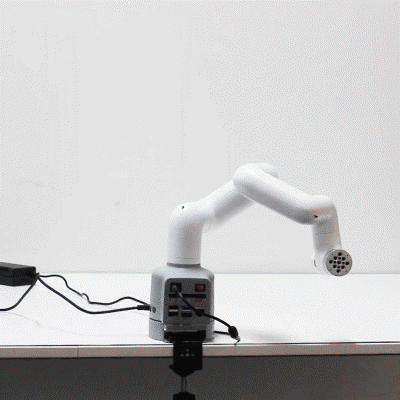
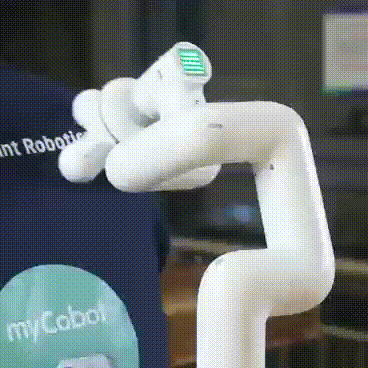
World's Smallest 6-Axis Robot Arm
Packs full 6 DOF articulation into a lightweight metal body — the only desktop arm that delivers industrial-grade multi-axis motion for under $1,000.
ROS 1 + ROS 2 Dual Support
Both Pi and M5 variants run ROS 1 and ROS 2 natively — researchers prototype on ROS 2 while educators keep ROS 1 compatibility, all on one hardware platform.
Two Controllers, One Ecosystem
Pi houses a 1.5 GHz quad-core Linux computer with HDMI out; M5 runs on ESP32 with onboard LCD — choose the brain that fits your curriculum depth.
LEGO + Screw Dual Mounting
Standard LEGO-compatible hole spacing plus screw mounts — snap onto existing builds or bolt down for permanent lab setups.
Metal Shell, Steel Gears
All-metal chassis with hardened steel gearboxes and 12BIT magnetic encoders — built to survive semester after semester of student handling.
6 Motion Modes, 10,000+ Shipped
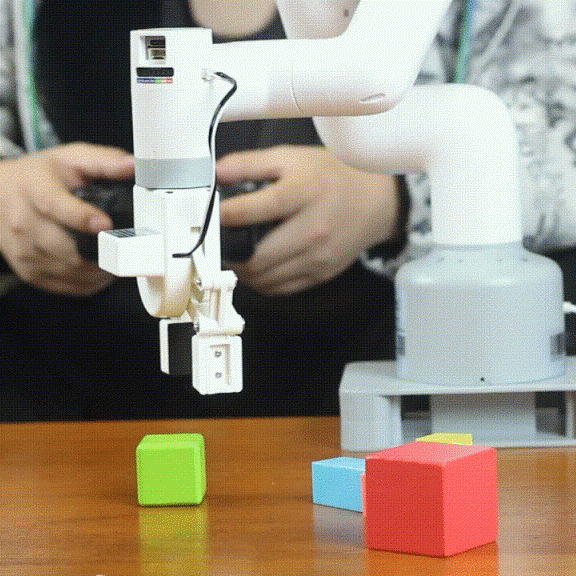
Free, Joint, Cartesian, Track Record, and Wireless modes — battle-tested across 50+ countries in classrooms, labs, and maker spaces worldwide.
Proven Across Industries
From university labs to factory floors, the world's smallest 6-axis robot arm adapts to environments where precision, space, and versatility matter most.
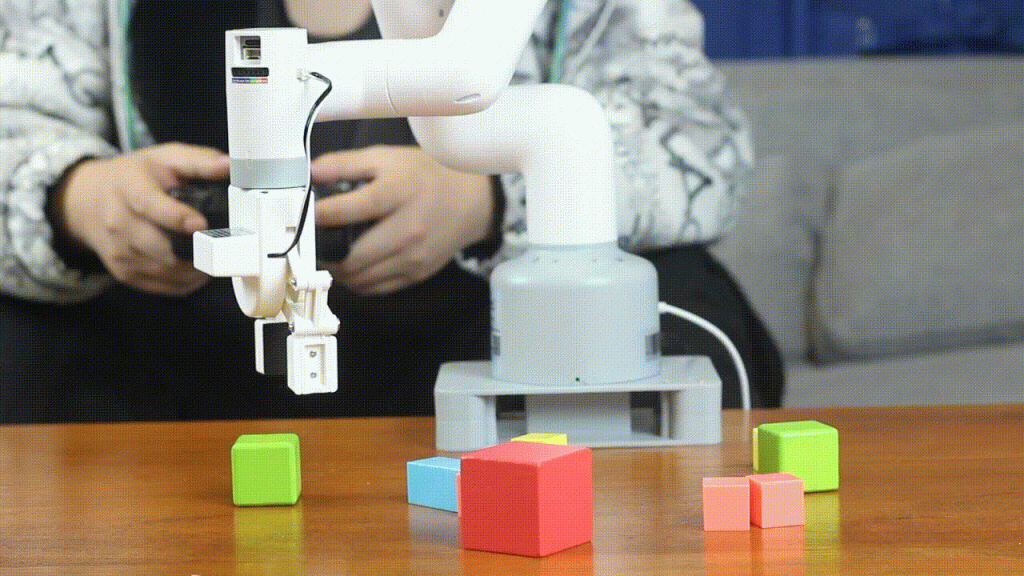
STEM-Bildung und Universitätsrobotiklabore
Von der Einführung in die Programmierung bis zu fortgeschrittenen Kinematik, decken beide Varianten den gesamten Lernverlauf ab. Die integrierte LCD-Anzeige und die Mehrsprachigkeit von M5 senken die Einstiegsbarriere für Anfänger, während die native ROS-Umgebung von Pi fortgeschrittene Studenten mit realen Robotik-Workflows herausfordert.
Von der Einführung in die Programmierung bis zu fortgeschrittenen Kinematik, decken beide Varianten den gesamten Lernverlauf ab. Die integrierte LCD-Anzeige und die Mehrsprachigkeit von M5 senken die Einstiegsbarriere für Anfänger, während die native ROS-Umgebung von Pi fortgeschrittene Studenten mit realen Robotik-Workflows herausfordert.